June: The Chromatic Font for Vibrant Design
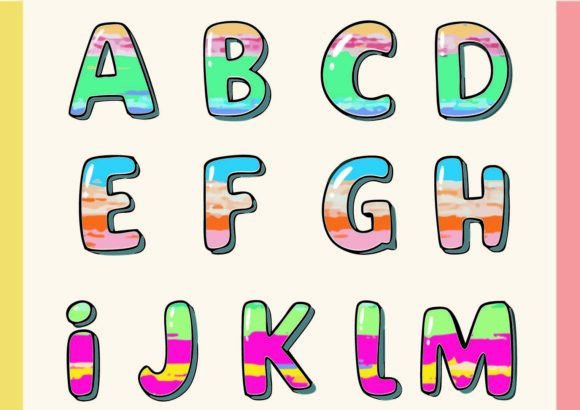
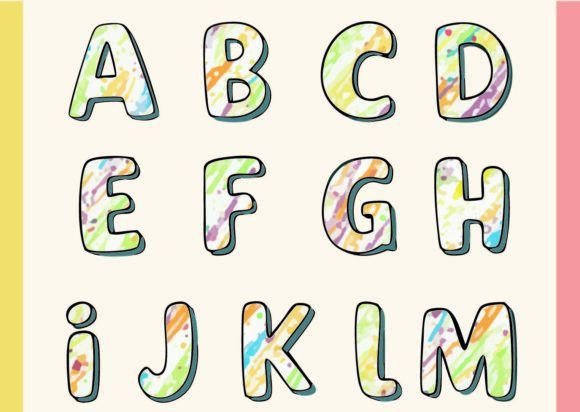
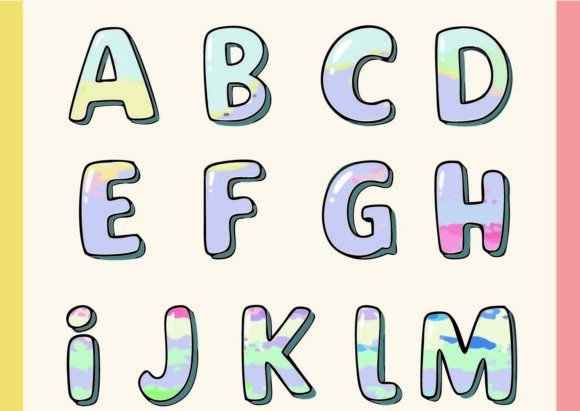
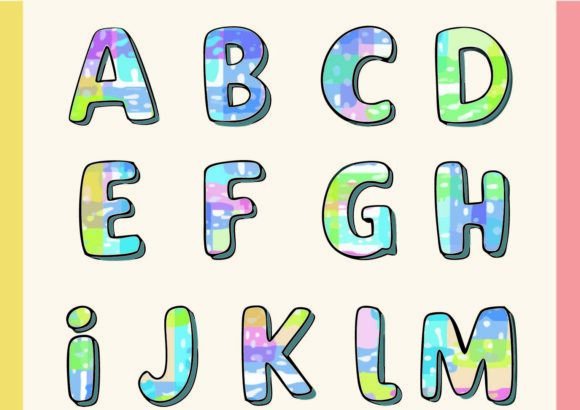
Imagine a typeface where every letter is a miniature work of art, bursting with its own unique color palette. This is the reality of June, a chromatic font that transforms standard text into a visual celebration. Far from a simple collection of letters, June is an OpenType-SVG color font, meaning each glyph is a complex, multi-colored vector illustration. For designers seeking to inject immediate personality and visual depth into their projects, June offers a compelling solution that bridges typography and illustration.
Understanding the Chromatic Font Revolution
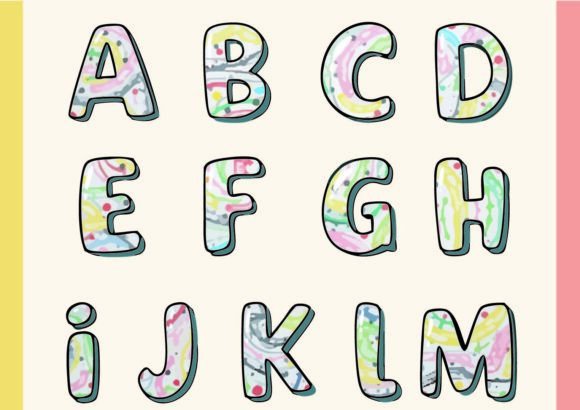
Traditional fonts rely on a single color, typically black, with form defined by outlines. Chromatic fonts like June break this mold. Each character is built with multiple layers of color information embedded directly within the font file. When you type the letter "A" in June, you're not just placing a shape; you're placing a pre-designed, colorful composition. This technology, powered by OpenType-SVG, is a game-changer for modern graphic design, allowing for unprecedented visual richness directly from the keyboard.
The practical implications for your design workflow are significant. June eliminates the need to manually apply gradients, textures, or complex color fills to individual letters. It ensures perfect consistency across every character while delivering the hand-crafted, painterly aesthetic of custom illustration. This makes it an invaluable creative asset for projects where standard typography falls short.
Practical Applications for Modern Designers
The true value of a resource like June is measured in its application. Its vibrant, intricate character makes it particularly effective in specific design contexts where impact and personality are paramount.
- Branding & Logo Design: Use June for wordmarks or brand names that need to stand out in crowded markets, especially for lifestyle, beauty, or creative industry brands seeking a bold, artistic identity.
- Social Media & Digital Marketing: Create scroll-stopping headlines, quotes, and announcements. The built-in color complexity enhances visual hierarchy and engagement on platforms like Instagram and Pinterest.
- Packaging & Product Design: Elevate product labels, tags, and boxes with typographic elements that feel premium and bespoke, adding perceived value at a glance.
- Editorial & Web Design: Craft captivating pull quotes, chapter headings, or hero text for magazines, blogs, and websites that prioritize strong visual storytelling and modern aesthetics.
- Advertising & Presentations: Develop memorable campaign headlines and presentation titles that command attention and reinforce a creative, forward-thinking brand image.
Tips for Effective Implementation
Integrating a powerful element like June requires thoughtful execution to maintain design integrity. Consider these factors:
- Readability & Scale: Due to its detailed paths, June is best suited for display use—headlines, logos, and short phrases. Use it at larger sizes where its intricate color work can be appreciated without compromising legibility.
- Compatibility Check: Always verify your software supports OpenType-SVG color fonts. June works seamlessly in Adobe Photoshop, Illustrator, Silhouette Studio, and Inkscape, ensuring broad utility for print and digital design.
- Color Harmony: While June provides its own palette, consider the background and surrounding elements. Ensure sufficient contrast so the text remains clear and the colors pop as intended.
- Strategic Use: Employ June as a accent or focal point. Pair it with simpler, neutral sans-serif or serif fonts for body text to create a balanced visual hierarchy and avoid overwhelming the viewer.
In the ever-evolving landscape of visual design, typography remains a cornerstone of effective communication. Assets like the June chromatic font represent the cutting edge of this field, offering designers a tool that merges the clarity of text with the emotional power of color and illustration. By making strategic, context-aware choices with such resources, you can significantly elevate the quality of your creative projects, ensuring they are not only seen but remembered. Thoughtful design choices, supported by high-quality assets, are what transform good work into exceptional, impactful communication.